Is a Salt Water Pool Better?
Many pool owners struggle with harsh chemicals, strong smells, and skin irritation. If you’re looking for a gentler swimming experience, you’re not alone.
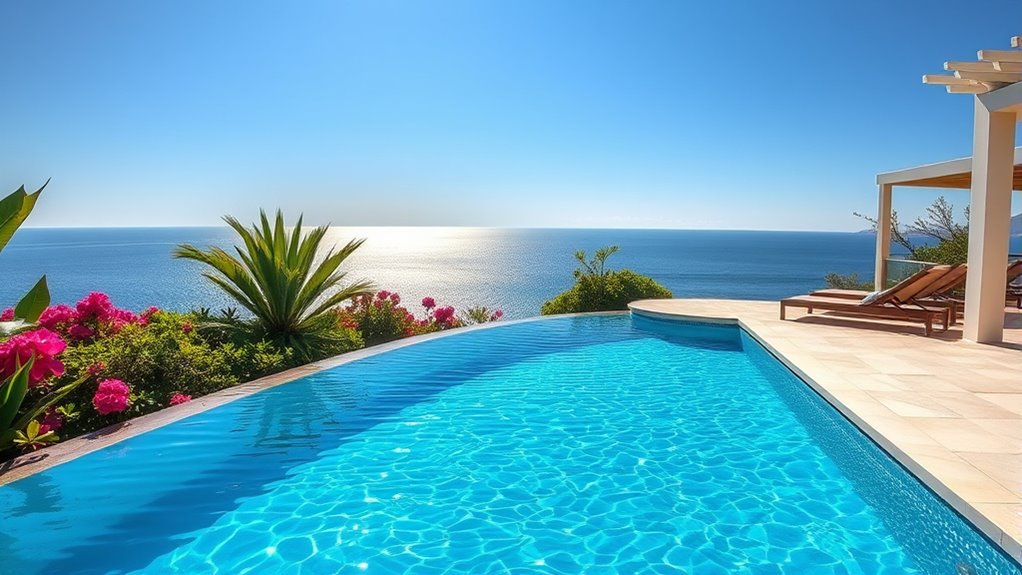
A saltwater pool can be a better choice if you want softer water, lower chemical irritation, and a more natural swimming experience. It produces chlorine gradually, reducing harsh smells and irritation to your skin, eyes, and respiratory system.
Plus, it’s gentler for sensitive skin and ideal for older adults or allergy sufferers.
However, it requires regular maintenance and monitoring to prevent corrosion and keep the system working efficiently.
Keep exploring to see if it’s truly the right fit for your lifestyle.
Key Takeaways
- Saltwater pools produce gentler, lower levels of chlorine, which helps reduce skin, eye, and respiratory irritation.
- They tend to have softer, silkier water that feels more comfortable. This can be especially beneficial for people with sensitive skin or older adults.
- Keep in mind, maintenance costs are usually higher because of the need to upkeep equipment and replace salt cells over time.
- Saltwater pools also generate fewer chemical odors and chloramines, making for a more natural swimming experience.
- To keep everything in good shape, proper maintenance and quality materials are essential. This helps prevent corrosion and extends the lifespan of your equipment.
What Is a Saltwater Pool and How Does It Work?
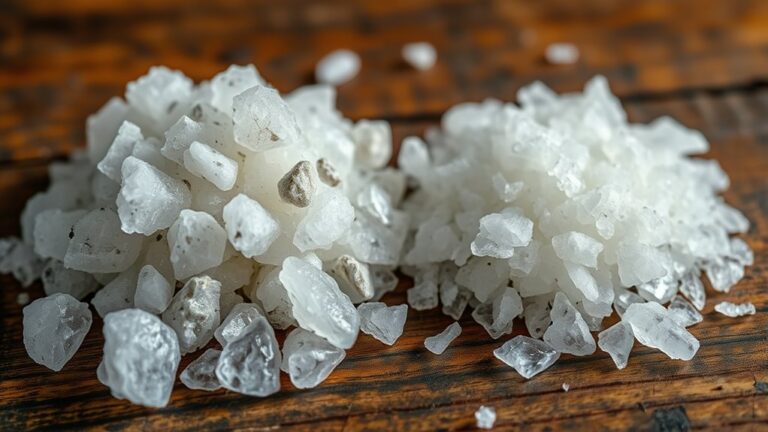
A saltwater pool uses a salt chlorinator that turns added salt into chlorine through electrolysis. This process keeps the water sanitized automatically.
In these pools, a chlorine generator constantly produces chlorinated water, so you don’t have to manually add chlorine chemicals. The salt concentration is about one-tenth that of seawater—similar to tears—making it gentle on your skin and eyes.
Even though they’re called saltwater pools, they aren’t chlorine-free. The saltwater is filtered through the chlorinator, which creates chlorine for sanitizing. This setup results in softer water and a more consistent, chlorinated environment for swimming.
How Do Saltwater Pools Compare to Traditional Chlorine Pools?
Saltwater pools produce chlorine more gradually through electrolysis, resulting in lower chlorine levels than traditional chlorine pools. This makes for a milder chemical smell and a more natural swimming experience.
Because of the reduced chlorine concentration, saltwater pools tend to be gentler on your skin, eyes, and hair. They also cause less chloramine formation, which can irritate your skin and eyes.
Maintenance is different too. Saltwater pools require an initial investment in equipment and salt but generally have lower ongoing chemical costs. In contrast, traditional chlorine pools rely on manual chlorine addition, which can lead to higher chemical use, stronger odors, and more irritation.
What Are the Main Benefits of Choosing a Saltwater Pool for Wellness?
Choosing a saltwater pool can significantly boost your overall wellness by offering a gentler, more calming aquatic experience. Saltwater pools produce lower chlorine levels, which makes the water easier on your skin, eyes, and hair, helping reduce irritation.
The softer water and minerals in saltwater pools can also help with skin dryness, supporting healthier skin—especially for older adults. Plus, saltwater pools don’t have the harsh chemical smell typical of traditional chlorinated pools, making your swim more pleasant.
With fewer chloramines, there’s less respiratory irritation, which is great for people with asthma or allergies. Regularly swimming in a saltwater pool promotes relaxation, helps lower stress, and improves mental well-being, making it a wellness-focused choice for many swimmers.
Are Saltwater Pools Safer and More Comfortable for Swimmers?
Because saltwater pools produce fewer chloramines, they tend to be more comfortable for swimmers. This means less chemical smell and less irritation, making your swim more enjoyable.
Saltwater pools create less chemical smell and irritation, making swimming more comfortable and enjoyable.
The lower chlorine levels in saltwater pools also reduce eye and skin irritation, which makes swimming safer and more comfortable. The softer water helps minimize dryness, stinging eyes, and skin discomfort compared to traditional chlorinated pools.
Plus, the gentler chemical balance makes saltwater pools safer for sensitive skin, allergies, and respiratory issues. Overall, they are considered safer and more comfortable because you’re exposed to fewer harsh chemicals and milder water.
If comfort and safety are important to you, saltwater pools offer a big advantage over traditional chlorinated pools.
What Are the Common Maintenance Challenges of Saltwater Pools?
Maintaining a saltwater pool means keeping an eye on salt levels to prevent issues with chlorination and equipment.
You’ll also need to watch for corrosion on metal parts like ladders and lights, which can cause costly damage if ignored.
Plus, the saltwater generator’s electrodes wear out over time, so they need replacements that add to your maintenance efforts.
Corrosion of Metal Components
Saltwater pools can be tricky to maintain because of metal component corrosion. The salt speeds up the wear and tear on parts like ladders, rails, and lighting fixtures, which can lead to costly repairs.
To keep your pool in good shape, make sure to check metal parts regularly for signs of rust or staining. Using corrosion-resistant materials like stainless steel or applying protective coatings can really help.
It’s also important to keep the water chemistry balanced. Proper chemistry minimizes the salt’s damaging effects and helps prevent corrosion.
If you notice parts are severely corroded, replace them quickly to avoid further damage. Ignoring these steps can cause pitting, staining, and even metal failure.
Managing salt levels and maintaining the right water balance are key. Doing so will reduce corrosion and help your metal components last longer, making your saltwater pool safer and more durable.
Salt Level Balance
Keeping metal components in good shape depends a lot on proper water chemistry, especially salt levels. Staying within the right range, usually between 2700 and 3400 ppm, is key for making enough chlorine and avoiding corrosion.
If the salt level gets too low, the salt cell won’t produce enough chlorine, which can lead to algae growth and bacteria buildup. On the other hand, high salt levels can speed up corrosion of metal parts and damage pool surfaces.
Regular testing and adjustments are a must because salt can build up from evaporation or rain dilution, or it can get used up over time. Cleaning the salt cell plates also helps prevent calcium buildup and keeps chlorine production efficient.
Maintaining the right salt levels helps extend the life of your equipment, keeps your water balanced, and saves you from costly repairs.
Equipment Maintenance and Repairs
One of the main challenges with saltwater pools is managing the corrosive effects of salt on metal components. You’ll need to regularly inspect and clean the salt chlorinator to prevent calcium buildup and guarantee proper chlorine production.
Corrosion of metal parts like ladders, rails, and lighting is common because of salt’s corrosive nature. If ignored, it can lead to costly repairs. Keep a close eye on your salt levels and adjust them as needed to maintain ideal operation of the salt chlorinator.
The salt chlorinator or its parts may need replacement every 3 to 7 years, depending on usage. Here’s what you should watch for:
- Corrosion damage on metal fixtures
- Salt chlorinator malfunction
- Decreased chlorine production
- Unnecessary repair costs
How Much Does It Cost to Install and Maintain a Saltwater Pool?
Installing a saltwater pool can cost between $30,000 and $70,000 upfront, depending on size and features.
You’ll also need to budget $500 to $2,000 for the salt chlorinator and about $300 to $600 annually for maintenance.
While the initial expense is higher, you’ll save on chemicals and repairs over time, making it worth considering.
Initial Setup Expenses
Setting up a saltwater pool involves a significant upfront investment, usually between $30,000 and $60,000 depending on its size and features.
The initial costs might seem high, but they cover essential components like the salt chlorinator, which costs between $1,000 and $3,000 and is key for generating chlorine.
You’ll also need upgraded pool equipment that resists corrosion, adding to the installation costs.
High-quality salt is another expense, typically around $100 to $300 for enough to last a while.
Finally, overall installation costs include labor and other necessary improvements to get your pool up and running smoothly from day one.
Ongoing Maintenance Costs
While the initial setup costs of a saltwater pool can be quite high, the ongoing maintenance expenses tend to be more affordable and predictable. You’ll usually spend around $500 to $1,000 each year on upkeep, mainly because you buy fewer chemicals.
Salt chlorinators need replacing every 3 to 7 years, which costs between $1,000 and $2,500. The electricity for the pump and chlorinator adds about 15 to 20 percent to your energy bill.
Regular maintenance includes checking salt levels, pH, and alkalinity. These tasks require minimal chemicals and are simple to do weekly or monthly.
Here’s a quick breakdown:
| Maintenance Aspect | Cost Range | Frequency |
|---|---|---|
| Chemicals | $50-$150/year | Monthly or as needed |
| Salt Chlorinator | $1,000-$2,500 | Every 3-7 years |
| Electricity | Varies | Ongoing |
| Monitoring Supplies | Minimal | Weekly or monthly |
Equipment Replacement Expenses
Replacing the key components of your saltwater pool system is a necessary part of ongoing maintenance, but it’s generally more affordable than comparable repairs in traditional pools. Equipment replacement costs for the salt cell range from $300 to $1,000 and typically occur every 3 to 7 years. This helps keep system costs manageable over time.
Think of it as peace of mind knowing your system runs smoothly without unexpected expenses. You can feel confident in lower maintenance costs compared to traditional pools.
Timely salt cell replacements also bring satisfaction, helping you avoid costly repairs down the line. Plus, you’ll get relief from ongoing expenses thanks to efficient operation and automatic chlorination.
While equipment replacement adds to long-term expenses, overall maintenance costs are more predictable and often less burdensome than traditional pool systems.
Can Saltwater Pools Help Improve Skin, Eyes, and Breathing Comfort?
Saltwater pools can noticeably boost your comfort by reducing common skin, eye, and respiratory irritations that usually come with traditional chlorinated pools. The lower chlorine levels mean less eye dryness and redness after swimming, making your experience more enjoyable.
The softer saltwater helps keep your skin’s natural oils intact, which reduces dryness and irritation. This means your skin feels better and more hydrated after swimming.
Plus, less chloramine formation means less respiratory irritation, so breathing feels easier and less harsh on your lungs. Overall, saltwater pools create a gentler environment that helps you stay comfortable and feel better during and after your swim.
Are Saltwater Pools Suitable for Seniors and Sensitive Skin?
If you have sensitive skin or are an older adult, saltwater pools can be a better choice because they are gentler on your body. The lower chlorine levels help reduce irritation, making swimming more comfortable.
The softer, silkier water also helps prevent dryness and skin discomfort, especially for aging or sensitive skin. Saltwater pools produce fewer chloramines, which cause harsh odors and eye irritation, so your skin feels better overall.
Plus, the reduced need for harsh chemicals means less skin and respiratory irritation, which is great for allergy-prone individuals.
Consider these benefits:
- Experience less irritation and redness
- Enjoy softer, silkier water for skin comfort
- Reduce eye and respiratory discomfort
- Swim confidently in a gentler environment
What Do You Need to Know About Saltwater Pool Repairs and Durability?
While saltwater pools offer a gentler swimming experience, maintaining their durability requires attention to potential corrosion and wear. Salt’s corrosive nature can damage metal components like ladders, rails, and lights over time. Regular maintenance and inspections are essential to prevent costly repairs.
Using corrosion-resistant materials for equipment helps extend the lifespan of your pool system. Salt buildup and mineral deposits can also cause surface stains and damage equipment if not managed properly. Addressing these issues may involve replacing corroded parts or treating stains caused by salt deposits.
Your pool’s durability depends heavily on maintaining proper water chemistry, using quality materials, and performing routine inspections. Staying proactive with maintenance ensures your saltwater pool remains functional, safe, and long-lasting.
Is a Saltwater Pool the Right Choice for Your Lifestyle and Budget?
Deciding whether a saltwater pool fits your lifestyle and budget depends on what’s important to you and how much maintenance you’re comfortable with.
Choosing a saltwater pool depends on your lifestyle, budget, and comfort with maintenance and equipment care.
Saltwater pools cost more upfront because of specialized equipment, but they can save you money on chemicals over time. They’re great if you want a more comfortable swimming experience with less skin irritation and eye discomfort.
But think about whether you’re okay with maintaining the equipment and dealing with potential corrosion issues.
Here are some things to consider:
- The initial cost might be higher, but your ongoing expenses could be lower.
- If skin sensitivity matters, a saltwater pool might be more comfortable.
- Budget-conscious homeowners may prefer traditional chlorine pools for simplicity.
- Consider your ability to maintain the equipment and manage corrosion risks.
Frequently Asked Questions
Should You Shower After a Salt Water Pool?
Yes, you should shower after swimming in a saltwater pool. Showering helps rinse away residual salt that can cause dryness and irritation.
It also removes salt from your hair and skin, restoring moisture and preventing buildup that could lead to discomfort over time.
What Are the Disadvantages of Salt Water Pools?
You know what they say, “Every rose has its thorn.” Saltwater pools have their disadvantages. Over time, salt can corrode metal parts like ladders and lighting, and stain nearby surfaces if not sealed properly.
They also cost more upfront for specialized equipment, and maintenance can be tricky and costly due to corrosion risks. Plus, if your equipment isn’t designed for salt, it might deteriorate faster, leading to added repairs.
Is a Salt Pool Healthier Than a Chlorine Pool?
Yes, a saltwater pool is generally healthier than a chlorine pool. You experience less skin and eye irritation because it has lower chlorine levels and produces fewer chloramines.
It’s gentler on sensitive skin and respiratory systems, especially for those with allergies or asthma. Plus, the natural, milder sanitation process reduces harsh chemical exposure, making your swimming experience safer and more comfortable overall.
What Is the Healthiest Type of Swimming Pool?
The healthiest type of swimming pool balances chemical safety with water quality. Saltwater pools often top the list because they use fewer harsh chemicals, making the water gentler on your skin, eyes, and respiratory system.
They produce fewer irritants and are less drying than traditional chlorine pools. While mineral or natural pools offer chemical-free options, they may require specialized maintenance.
Ultimately, your choice depends on your skin sensitivity and health priorities.
Conclusion
So, whether you’re drawn to the soothing feel of saltwater or just curious if it fits your lifestyle, you might find that a saltwater pool unexpectedly aligns with your wellness goals. Many discover that the benefits—like easier maintenance and gentler water—match their desire for a more comfortable swim.
If you’re thinking about upgrading or starting fresh, exploring saltwater pools could be the perfect way to turn your backyard into a personal oasis. Considering a saltwater pool might just be the upgrade you need for a more relaxing and enjoyable swimming experience.