Can I Put Salt on My Canker Sore?
If you’ve ever dealt with the discomfort of a canker sore, you know how frustrating and painful they can be. Many people struggle to find relief and wonder what’s safe to do about the pain.
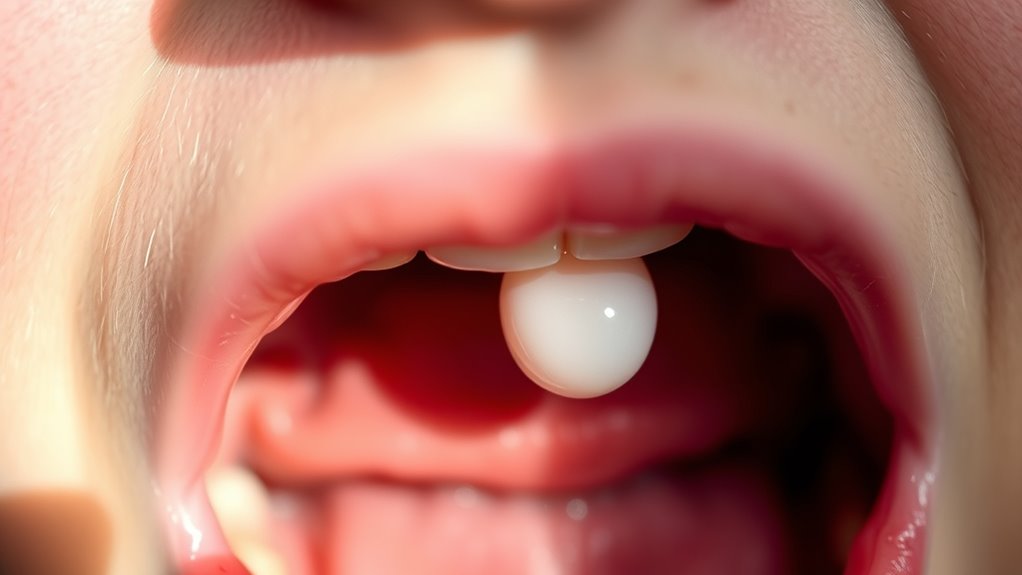
No, you shouldn’t put salt directly on your canker sore because it can cause pain and tissue damage. Salt is abrasive and may irritate or worsen the sore instead of helping it heal.
Instead, rinse your mouth with a salt water solution—dissolving half a teaspoon of salt in warm water—and do this several times daily. Keep going, and you’ll find safer ways to soothe and support your healing process effectively.
Key Takeaways
- Directly applying salt to a canker sore can cause a lot of pain and tissue irritation. It’s best to avoid doing that.
- Instead, try rinsing your mouth with a salt water solution. Dissolve some salt in warm water and use it to rinse your mouth gently.
- Make sure the salt is fully dissolved before rinsing. This helps prevent tissue damage and keeps discomfort to a minimum.
- Salt water rinses can help soothe soreness and keep your mouth clean. But remember, they don’t directly treat the sore itself.
- If your canker sore lasts longer than three weeks or shows signs of infection, it’s a good idea to see a healthcare professional.
Do Salt Water Rinses Help Heal Canker Sores?
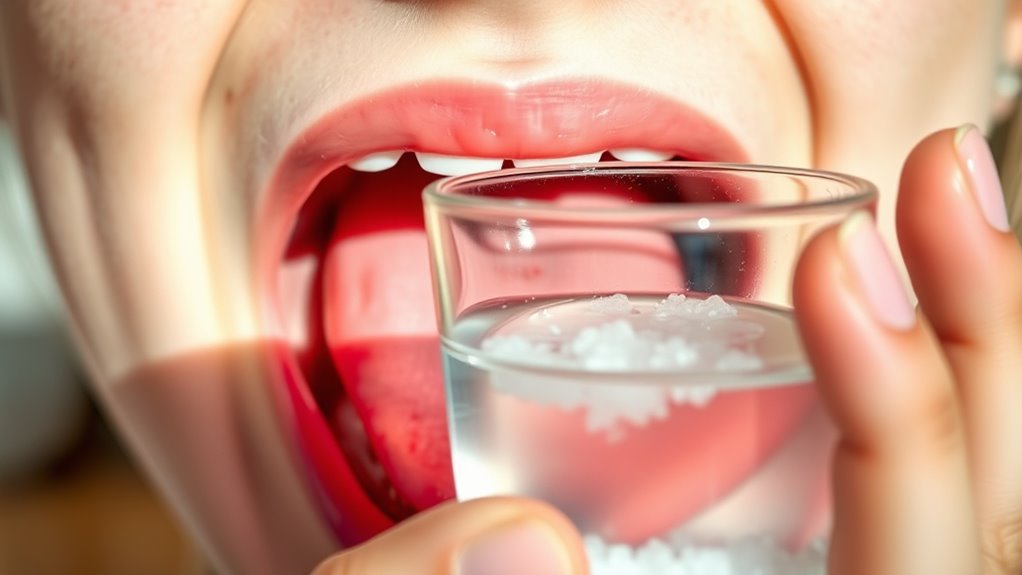
Do salt water rinses actually help heal canker sores? Yes, they can. A salt water rinse is a simple home remedy that can improve oral hygiene and promote healing.
When you rinse with a solution of 1/2 teaspoon salt in 8 ounces warm water, it helps reduce bacteria and inflammation around the sore. This can soothe sore tissues and decrease swelling, making it easier to eat and speak.
While the rinse doesn’t directly heal the sore, it creates a healthier environment for your body’s natural healing process. Regular use of a salt water rinse can keep the sore clean and potentially prevent secondary infections.
Why You Should Avoid Putting Salt Directly on Canker Sores
While it might seem like a quick fix, putting salt directly on a canker sore can do more harm than good. Salt’s abrasive nature can irritate the sore, causing intense pain and discomfort. It can also damage the delicate tissue, which may delay healing instead of helping it.
The salt may increase inflammation and trigger a burning sensation that worsens your discomfort. Instead of aiding recovery, direct contact with salt irritates the tissue and disrupts the healing process. To better understand, consider this:
| Action | Effect |
|---|---|
| Applying salt directly | Causes pain and tissue damage |
| Salt irritation | Promotes inflammation |
| Damage to tissue | Slows healing |
| Increased discomfort | Worsens soreness |
| Safer alternative | Use salt water rinses |
Avoid placing salt directly on your sore to prevent unnecessary pain and tissue damage.
How Salt Water Can Support Your Canker Sore Healing
Instead of applying salt directly to your canker sore, using salt water rinses is a safer and more effective way to support healing. Salt water helps reduce bacteria and inflammation around the sore, creating a cleaner environment for recovery.
Using salt water rinses, not direct salt, promotes safer, faster healing of canker sores.
Dissolving 1/2 teaspoon of salt in warm water makes a soothing rinse that can ease discomfort. Regular rinsing can calm inflammation and promote canker sore healing.
It also helps reduce swelling and support faster recovery. Plus, it can draw out fluids, which lessens pain and makes you more comfortable.
Salt water rinses can prevent secondary infections effectively. Using them multiple times a day is a safe, natural method to soothe your sore and speed up healing without irritating tissue.
This simple rinse supports your body’s natural healing process and helps you feel better faster.
Effective Home Remedies for Canker Sore Relief
When it comes to soothing a canker sore at home, there are simple remedies that can really help. One effective method is salt water rinses.
Mix 1/2 teaspoon of salt in a cup of warm water and rinse your mouth several times a day. This can reduce inflammation, cleanse the sore, and promote healing.
Salt helps draw out fluids from the sore, which decreases swelling and discomfort. Just be careful not to apply plain salt directly to the sore, as it can cause pain and irritation.
Using salt water rinses regularly, along with other gentle home remedies, can help manage symptoms and support faster healing. This simple step keeps the area clean and reduces bacteria that might slow down recovery.
Using Baking Soda and Honey to Soothe Canker Sores
Baking soda can quickly soothe your canker sore by neutralizing acids and reducing discomfort.
Honey, especially manuka honey, not only helps heal the sore but also fights bacteria and prevents infection.
Using these natural remedies regularly can support faster healing and provide ongoing relief.
Soothing Effects of Baking Soda
Using a mixture of baking soda and honey can effectively soothe canker sores by reducing irritation and promoting healing. This combo helps neutralize acids in your mouth, decreasing inflammation and easing pain. When applied, it forms a protective layer that soothes irritated tissue and speeds up healing.
Here are four ways it works:
- Baking soda neutralizes acids, which helps reduce irritation from mouth ulcers.
- The mixture decreases inflammation, making sores less painful.
- Honey’s natural enzymes support faster healing of tissues.
- Together, they offer antimicrobial benefits, helping prevent infection.
Applying this soothing paste several times a day can help ease pain and shorten the healing time of your canker sore. It’s a safe, natural remedy that targets irritation and supports your mouth’s healing process.
Honey’s Healing Properties
Honey’s natural healing properties make it an effective remedy for soothing canker sores. Its antibacterial properties, especially in manuka honey, help reduce bacteria around the sore and speed up healing.
Applying honey several times daily can decrease pain, inflammation, and the size of the sore, promoting faster tissue repair. Honey’s anti-inflammatory effects help soothe irritated tissues and ease discomfort.
Rinsing your mouth with honey or swallowing small amounts may support overall healing and tissue recovery. It’s safe for children over 12 months and offers a natural way to accelerate recovery from canker sores.
What Are the Best Natural Treatments to Reduce Pain?
You can try natural remedies like honey, salt water rinses, or coconut oil to ease canker sore pain.
Applying these treatments safely and consistently can make a noticeable difference in discomfort. Exploring the right techniques helps guarantee you get the most relief from each remedy.
Effective Natural Pain Relievers
Natural remedies can offer effective, gentle relief from the pain of canker sores. You can try these natural treatments to ease discomfort:
1. Salt water rinse
A simple rinse can soothe irritation, clean the sore, and provide temporary pain relief.
2. Baking soda paste or rinse
It neutralizes acids, reduces irritation, and eases soreness.
3. Honey
Its antibacterial and anti-inflammatory properties promote healing and soothe pain.
4. Coconut oil
It moisturizes gently while its antibacterial qualities help reduce discomfort.
These natural remedies are safe options to manage pain and irritation. While they may not cure the sore, they can considerably improve your comfort during healing.
Safe Application Techniques
To safely reduce pain from canker sores, it’s best to use gentle, well-established methods instead of applying harsh substances directly to the sore.
A good application technique is a salt water rinse, where you dissolve 1/2 teaspoon of salt in warm water. This rinse helps reduce irritation and promotes healing without causing extra discomfort.
Be sure to avoid direct salt application, as pure salt can worsen pain and delay recovery. Instead, swish the solution in your mouth for 15-30 seconds, several times a day, to cleanse the sore and decrease bacteria.
Combining salt water rinses with soothing remedies like honey or baking soda can also help ease pain and support faster healing.
Always prioritize gentle, safe techniques to keep comfortable and help your mouth heal faster.
When to Seek Professional Help for Persistent Canker Sores
Persistent canker sores that last beyond three weeks should prompt a visit to a healthcare professional. If your sore isn’t healing or gets worse, seeking help becomes essential.
See a healthcare professional if canker sores last over three weeks or worsen.
See a doctor if:
- The pain gets worse or the sore spreads to other areas in your mouth or throat.
- The sore doesn’t show signs of healing within two weeks, which might point to an underlying issue.
- You notice signs of infection like increased redness, swelling, pus, or fever.
- Your sores keep coming back, suggesting you should look into possible causes or injuries.
Addressing these issues early helps get a proper diagnosis and treatment, preventing complications and promoting healing. Don’t ignore persistent symptoms—getting professional help is your best move.
Preventing Canker Sores From Coming Back or Worsening
To prevent canker sores from coming back or getting worse, keep up good oral hygiene and steer clear of foods that might irritate your mouth.
Managing stress and fixing nutritional deficiencies can also make a big difference. Being aware of your triggers and using gentle remedies can help stop sores from coming back.
Maintain Good Oral Hygiene
Maintaining good oral hygiene is key to preventing canker sores from coming back or getting worse. Keeping your mouth clean helps reduce bacteria that can irritate sores. Here are four simple tips:
- Use a soft-bristled toothbrush to gently clean your mouth, which helps avoid trauma and inflammation.
- Rinse regularly with salt water to lower infection risk and help sores heal faster.
- Floss daily to remove debris and bacteria that could make irritation worse.
- Steer clear of irritant foods like citrus and spicy items that can inflame your mouth tissues.
Following these tips promotes quicker healing, prevents sores from returning, and keeps your mouth healthy overall. Good oral hygiene plays a big role in managing and preventing canker sores effectively.
Identify and Avoid Triggers
Identifying and avoiding triggers is key to preventing canker sores from coming back or getting worse. Common triggers include spicy foods, citrus fruits, and acidic drinks, which can irritate your mouth.
To help prevent outbreaks, try to steer clear of these foods to reduce inflammation and discomfort. Be careful with hard or sharp foods that could cause mouth injuries and lead to sores.
Getting enough nutrients like vitamin B12, zinc, and folate helps keep your oral tissues healthy and less sensitive. Also, paying attention to food sensitivities and allergies can prevent mouth irritation.
Manage Stress Effectively
Managing stress effectively is key to preventing canker sores from coming back or getting worse. When you’re stressed, your immune system weakens, which can lead to more inflammation and make your mouth tissues more prone to ulcers.
To keep stress in check, try practices like meditation, deep breathing, or yoga to help calm your mind and lower your stress levels. Regular exercise and enough sleep also support your overall oral health.
You can also use coping strategies like journaling to identify what triggers your stress and develop ways to handle it better. If emotional factors are a big part of the problem, consider talking to a counselor or joining stress management programs.
Common Mistakes That Make Canker Sores Worse
One common mistake people make is applying salt directly to a canker sore without proper preparation, which can cause significant pain and delay healing. Using undiluted salt on sores can damage the delicate tissue, leading to increased irritation.
Rubbing salt on the sore may worsen inflammation and prolong recovery. Many think salt helps dry out the sore, but it often backfires, causing more tissue damage instead.
To avoid this, always dilute salt before application. Properly diluted salt can be gentle and soothing, promoting healing. Avoid using undiluted salt or rubbing it directly on the sore to prevent unnecessary pain and irritation.
Tips for Safely Using Remedies for Canker Sores
To use remedies like salt safely on canker sores, it’s important to follow proper application techniques. Using a salt water rinse with a diluted solution helps soothe the sore without tissue irritation. Here are key tips:
- Mix 1/2 teaspoon of salt in a cup of warm water to create a gentle, soothing rinse.
- Avoid applying plain salt directly to the sore, as it can cause pain and tissue irritation.
- Rinse your mouth with the salt water multiple times daily to support healing and reduce bacteria.
- Always guarantee the salt is fully dissolved before contact to prevent discomfort and damage.
Sticking to these safe practices ensures effective relief while protecting your tissues and promoting healing.
Summary: How to Care for Canker Sores at Home
Canker sores can be uncomfortable, but caring for them at home is simple with some easy remedies. Using salt water rinses is a great way to support healing and reduce inflammation. Mix 1/2 teaspoon of salt in a cup of warm water and rinse your mouth for 15-30 seconds.
This helps decrease swelling, remove bacteria, and create a cleaner environment for healing. Just be careful not to put plain salt directly on the sore, as it can cause pain and irritate the tissue. Instead, gentle rinsing throughout the day can soothe discomfort and help you recover faster.
Frequently Asked Questions
Can You Put Salt Directly on a Canker Sore?
You shouldn’t put salt directly on your canker sore. It can cause intense pain and irritation, and might even damage the tissue. This could make the sore worse instead of helping it heal.
Instead, dissolve salt in water and use it as a rinse. This method can help reduce inflammation and promote healing safely.
Always avoid putting salt directly on the sore. If it persists or gets worse, consider talking to a healthcare professional for advice.
What Heals a Canker Sore the Fastest?
To heal a canker sore fastest, you should combine treatments like rinsing with salt water. This helps clean the sore and reduces bacteria.
You can also apply topical honey or aloe vera to help reduce inflammation and promote tissue repair. Over-the-counter gels or corticosteroid rinses can offer targeted pain relief and speed up healing.
Don’t forget to maintain good oral hygiene, avoid irritating foods, and stay hydrated. These steps support your body’s natural healing process.
What’s the White Part of a Canker Sore?
The white part of a canker sore is the ulcer’s center, made up of dead tissue, bacteria, and immune cells. It looks white or yellowish because of fibrin, a protein involved in clotting and healing.
This tissue is a normal part of the healing process, acting as a protective barrier. Over time, your body’s natural healing will replace this white tissue with healthy new tissue as the sore heals.
Is Table Salt Ok for Mouth Rinse?
Yes, table salt is okay for a mouth rinse when properly diluted. Around 75% of people find saltwater rinses effective for soothing canker sores.
You should dissolve about half a teaspoon of salt in a cup of warm water, then rinse your mouth for 15-30 seconds. Avoid applying salt directly to the sore, as it can cause pain and delay healing.
Keep rinsing regularly for relief and cleanliness.
Conclusion
While it might seem like salt could help, putting it directly on your canker sore isn’t the best idea. Think of salt as a distant lighthouse, guiding your healing rather than burning your skin.
Instead, try salt water rinses or gentle remedies like baking soda and honey. These methods can soothe your sore without causing more irritation.
With patience and proper care, your canker sore will fade like morning mist, revealing a healthier, happier smile. Trust the gentle waves of home remedies to bring relief and foster healing.