
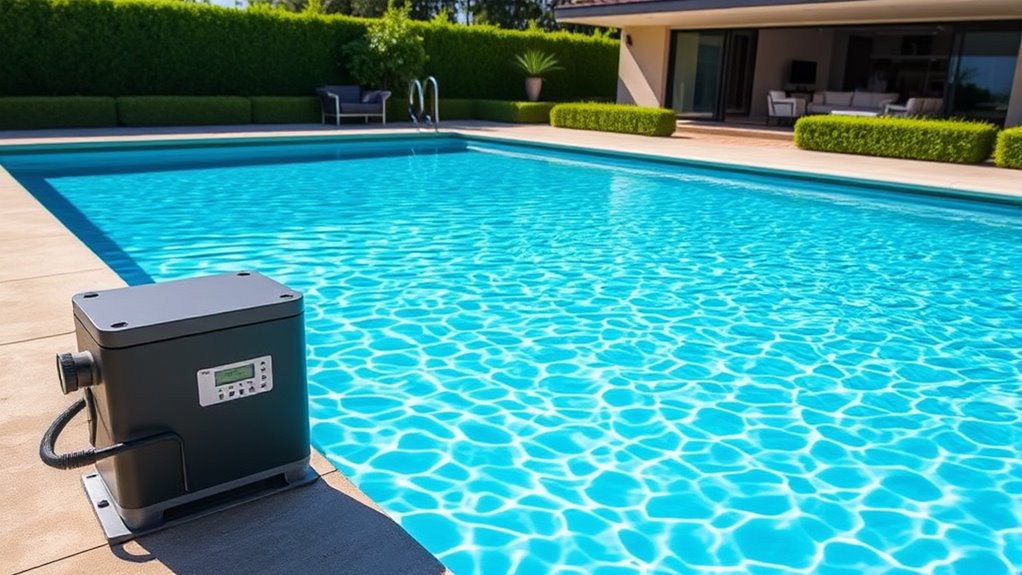
7 Cost Factors That Determine How Much a Salt Water Pool Costs
Thinking about installing a saltwater pool but feeling overwhelmed by the costs? You’re not alone. Many people struggle with understanding what influences the total price and how to keep expenses manageable.
Your saltwater pool cost depends mainly on its size, material choice, and site conditions. Larger pools and custom features like waterfalls or lighting increase expenses, while materials like fiberglass or vinyl tend to be more affordable than concrete.
Installation costs vary with soil type, terrain, and accessibility. Ongoing maintenance—like equipment and chemicals—adds up over time.
If you want to understand all these factors and how to save money, keep exploring these key points.
Key Takeaways
- Pool size and shape really impact the costs for materials and labor. Larger pools or those with custom shapes tend to be more expensive.
- The type of material you choose, like fiberglass, vinyl, or concrete, also makes a difference. These options vary in upfront costs, how durable they are, and what you’ll spend on maintenance over time.
- Site conditions play a big role too. Things like the terrain, how accessible the site is, and whether you need to do land clearing all affect the excavation and preparation costs.
- Equipment choices, such as salt chlorination systems, pumps, and heaters, contribute to both the initial setup costs and ongoing maintenance expenses.
- If you add features like lighting, waterfalls, or heating, it will increase the overall price. Luckily, these can often be added later to help stay within your budget.
How Much Does a Saltwater Pool Cost? A Complete Breakdown
Building a saltwater pool involves a range of costs that can vary based on several factors. The size of your pool, the materials used, and how complex the installation is all play a role in the overall price.
Building a saltwater pool costs vary by size, materials, and installation complexity.
Larger pools or those with extra features like heating or lighting will cost more. The initial setup usually falls between $12,000 and $38,500, with most projects around $25,000.
Site preparation costs can add anywhere from $3,400 to $20,000, depending on your land’s condition. If you’re converting an existing pool, expect to pay between $500 and $2,500 for a salt chlorinator system.
Ongoing expenses include maintenance and running the saltwater system, which needs regular checks. Your total costs will depend on the materials you choose and the size of your pool.
What Factors Determine Your Pool’s Size and Total Price?
Your pool’s size and shape directly influence the total cost since larger and more complex designs need more materials and labor.
The materials you choose—like concrete, vinyl, or fiberglass—also affect both the upfront cost and ongoing maintenance.
Regional factors, such as land terrain and local labor rates, can add to the overall price.
Pool Size and Dimensions
The size and dimensions of a salt water pool are key factors in determining its overall cost. Larger pools, like 16×32 ft., tend to cost more because they need more materials, labor, and equipment.
The pool’s surface area directly impacts construction costs. Bigger pools require more resources, and while the cost per square foot drops slightly as size increases, total expenses still go up with larger dimensions.
Smaller pools, like 10×16 ft., usually fall in the $15,000 to $26,000 range. Keep in mind that adding custom features or unique shapes can significantly raise the price, no matter the size.
Material Choices and Features
Choosing the right materials and features for a salt water pool directly affects both your initial costs and long-term expenses. Your choices impact durability, maintenance needs, and the overall look of your pool.
Fiberglass pools are known for being durable and easy to maintain. They typically cost between $9,000 and $40,000. Vinyl pools are more budget-friendly, ranging from $20,000 to $63,000, but might require more upkeep.
Concrete pools offer custom designs and are very durable. Their prices range from $50,000 to $200,000. Additional features like heating, lighting, waterfalls, and intricate designs can add thousands to your total budget.
| Material Type | Cost Range | Key Features |
|---|---|---|
| Fiberglass Pools | $9,000 – $40,000 | Low maintenance, durable |
| Vinyl Pools | $20,000 – $63,000 | Affordable, customizable |
| Concrete Pools | $50,000 – $200,000 | Custom designs, longevity |
| Features | Varies, +$1,000-$10,000 | Heating, lighting, waterfalls |
| Size Impact | Larger = higher costs | Excavation and materials |
Which Pool Materials Are Best for Saltwater Compatibility and Budget?
When choosing pool materials for a saltwater system, durability and resistance to corrosion are really important. You want something that can handle the salty environment without deteriorating quickly.
Budget also matters. Vinyl liners are usually cheaper upfront, making them a good option if you’re trying to keep costs down. Fiberglass pools might cost more initially but save you money in the long run because they require less maintenance.
Knowing the differences helps you pick a material that balances your initial expense with how long it will last. That way, you get a pool that’s both affordable and durable for saltwater use.
Material Durability and Resistance
Selecting the right pool material really impacts how well your saltwater pool handles corrosion and how much you’ll spend over time. Fiberglass pools are great for resisting corrosion, so they’re durable and cost less to maintain because of their long lifespan.
On the other hand, porous concrete pools are more susceptible to salt damage, which means you may need pricey resurfacing or repairs down the line. Vinyl liner pools are compatible with saltwater and don’t require much upkeep, but the liners usually need replacing every 5–10 years because of salt wear.
Metal parts like ladders and fixtures tend to corrode from salt, which can lead to higher replacement costs. Overall, choosing materials that resist salt damage helps keep your pool durable, cuts long-term costs, and reduces the need for frequent repairs.
Cost and Maintenance Factors
Considering your budget and long-term costs, some pool materials are better suited for saltwater environments. Fiberglass pools have lower upfront costs, and their non-porous surface means less ongoing maintenance and fewer repairs.
Vinyl liner pools are budget-friendly initially and resistant to salt damage, but their liners usually need replacing every 5–10 years, which can add up over time. Concrete pools tend to cost more to install and aren’t as compatible with saltwater, leading to more repairs from erosion of porous surfaces.
The size of your pool and water chemistry also influence maintenance needs, especially with saltwater systems. Choosing durable materials with a longer-lasting salt cell can help keep costs down over the years.
Ultimately, finding the right pool material means balancing your initial investment with ongoing maintenance costs. This way, you can enjoy a saltwater pool that’s affordable both now and in the future.
Longevity and Repair Needs
Choosing the right pool material can make a big difference in how well your saltwater pool holds up over time. Durability directly impacts how often you’ll need repairs and your long-term costs.
Materials like fiberglass are highly resistant to corrosion and tend to last longer. Fiberglass pools usually need fewer repairs, which helps save money over 10-20 years.
Concrete pools are porous and vulnerable to salt damage. They often require costly resurfacing or repairs down the line. Vinyl liner pools have low upfront costs and work with saltwater, but their liners usually need replacing every 5-10 years.
This replacement adds to your long-term expenses. Picking saltwater-compatible materials helps reduce repair costs and makes your pool last longer.
What Equipment Do You Need for a Saltwater Pool, and How Much Does It Cost?
To set up a saltwater pool, you’ll need several key pieces of equipment, each with its own costs. First, a saltwater chlorination system is essential, costing between $500 and $2,500 depending on size and features.
Next, you’ll need a pool pump and filter, which typically cost around $500 to $1,000 for in-ground pools and about $500 for above-ground pools. A salt cell is necessary to generate chlorine, with replacement costs ranging from $700 to $1,100 for 3 to 7 years of use.
A pool heater can cost between $1,600 and $3,800 to keep the water at a comfortable temperature. Additional expenses include salt testers and maintenance tools, which impact long-term maintenance expenses and overall equipment costs.
How Does Site Preparation and Location Affect Your Installation Expenses?
Site preparation and location really influence your overall installation costs. If the land has rocky soil, trees, or uneven terrain, it can significantly increase excavation and site work expenses.
Challenging terrain and difficult access can significantly raise your pool installation costs.
Extensive land grading or clearing can add $10,000–$20,000 or more to your budget. Accessibility matters too; hard-to-reach sites may require specialized equipment, which boosts costs.
Regional labor rates and permit fees vary depending on where you are, and these factors also affect the total installation expenses. Proper site prep, like clearing and grading, is essential for a smooth pool installation process.
In the end, the more difficult the terrain and the harder it is to access the site, the higher your costs will be for site work and excavation—impacting your overall saltwater pool installation budget.
What Are the Ongoing Maintenance Costs for a Saltwater Pool?
Once your saltwater pool is installed, knowing the ongoing costs helps you plan your budget. Maintenance expenses include a few key items.
You’ll spend about $50–$150 each year on salt, chemicals, and testing supplies to keep the water balanced and safe. Salt cell replacements, which happen every 3–7 years, can cost between $700 and $1,100 each time.
Regular chemical adjustments for pH and stabilizers add around $100–$300 annually to your costs. Routine cleaning tools like skimmers and vacuums initially cost $150–$500.
Operational costs for pool equipment typically run from $15 to $50 a month. Managing these expenses keeps your saltwater pool inviting and well-maintained.
Should You Hire a Professional or Do It Yourself? Tips to Save Money
Deciding whether to hire a professional or do it yourself can significantly impact your saltwater pool’s total costs and success. A professional installation ensures the pool system is set up correctly, which helps avoid costly mistakes and safety issues. It usually costs between $12,000 and $38,500 for inground pools, covering permits, site prep, and warranties to protect your investment.
DIY installation can save you money on labor and is more budget-friendly, especially when converting existing pools. This typically costs around $500 to $2,500. But keep in mind, it requires advanced plumbing, electrical skills, and knowledge of pool system compatibility to stay safe and ensure everything is set up properly.
To cut costs, you might consider installing a smaller, above-ground pool yourself or delaying optional features like lighting and heating, which can add to the overall expenses.
Frequently Asked Questions
What Is the Average Cost of an Inground Saltwater Pool?
You’ll typically spend between $25,000 and $50,000 on an inground saltwater pool, depending on its size and materials.
If you go for high-end features like spas or waterfalls, costs can go beyond $70,000.
Keep in mind, installation expenses like permits and excavation add to the total.
Choosing fiberglass or concrete impacts your budget, with concrete generally being more expensive.
How to Calculate How Much Salt a Pool Needs?
Imagine pouring a gentle stream of salt into your shimmering pool, knowing each handful helps reach perfect clarity. To figure out how much salt your pool needs, start by finding out your pool’s gallons.
Then, multiply that number by the recommended salt concentration, usually around 3000 ppm. Using a salt calculator or test kit will help you keep track of the levels regularly.
Add salt slowly, stirring gently as you go, until you reach that ideal balance for sparkling, inviting water.
What Is the Downside of a Salt Water Pool?
The downside of a saltwater pool is that it can cause corrosion of metal parts and fixtures if you don’t keep up with maintenance. You might notice your plaster surfaces and pool finishes wear out faster over time.
Saltwater systems also need extra care to prevent rust, especially if your pool has metal walls or accessories. These problems can add up to higher repair and replacement costs in the long run, which might cancel out the initial savings on chemicals.
What Is the Life Expectancy of a Saltwater Pool?
A saltwater pool’s lifespan is like a well-tuned melody, lasting roughly 10 to 15 years with proper care.
You’ll find that high-quality surfaces and equipment can extend this, sometimes over 20 years.
Keep your system maintained and chemically balanced, and you’ll enjoy many years of invigorating swims.
Saltwater chlorination systems typically need replacement every 3 to 7 years, but diligent upkeep ensures your pool’s longevity.
Conclusion
Managing the costs of a saltwater pool is like charting a course through a vast ocean. Knowing what to expect helps keep you afloat.
From materials to maintenance, each factor adds a ripple to your budget. Planning ahead and making informed choices can help you avoid hidden storms.
With the right decisions today, you can sail smoothly toward your backyard oasis. Remember, the cost factors of a saltwater pool are key to turning your pool dreams into a sparkling reality worth every splash.