How Long Should You Keep Beef in the Fridge Safely?
Many people struggle with knowing how long their beef stays fresh in the fridge, and it’s totally normal to feel unsure. Keeping your beef safe and tasty is a common concern, especially with so much conflicting info out there.
You should keep raw ground beef in the fridge for no more than 1-2 days to stay safe.
Cooked ground beef can last up to 3-4 days if stored properly at 40°F or below.
Always check for signs of spoilage like sour smell, slimy texture, or discoloration before you eat.
Proper packaging and refrigeration help extend freshness.
If you follow these tips, you’ll learn more about keeping your beef safe and tasting great.
Key Takeaways
- Raw ground beef should be used or frozen within 1-2 days of purchase.
- Cooked beef stays safe for about 3-4 days when kept at 40°F or below.
- Make sure to store beef in airtight containers or tightly wrapped to prevent spoilage.
- Keep it in the main part of your refrigerator, not the door, so the temperature stays consistent.
- Before eating leftovers, always check for signs of spoilage to stay safe.
How Long Can I Keep Raw Ground Beef in the Refrigerator?
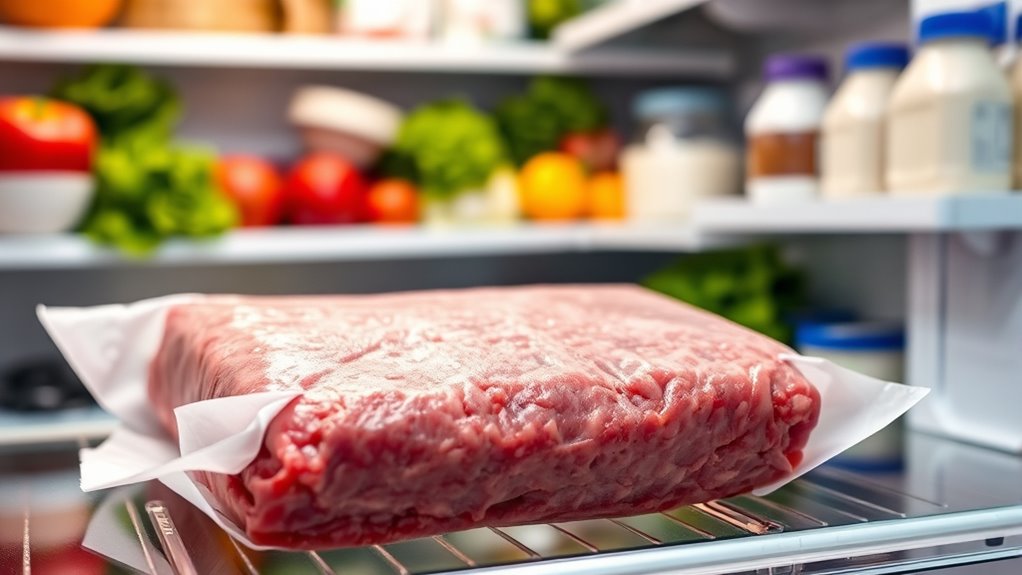
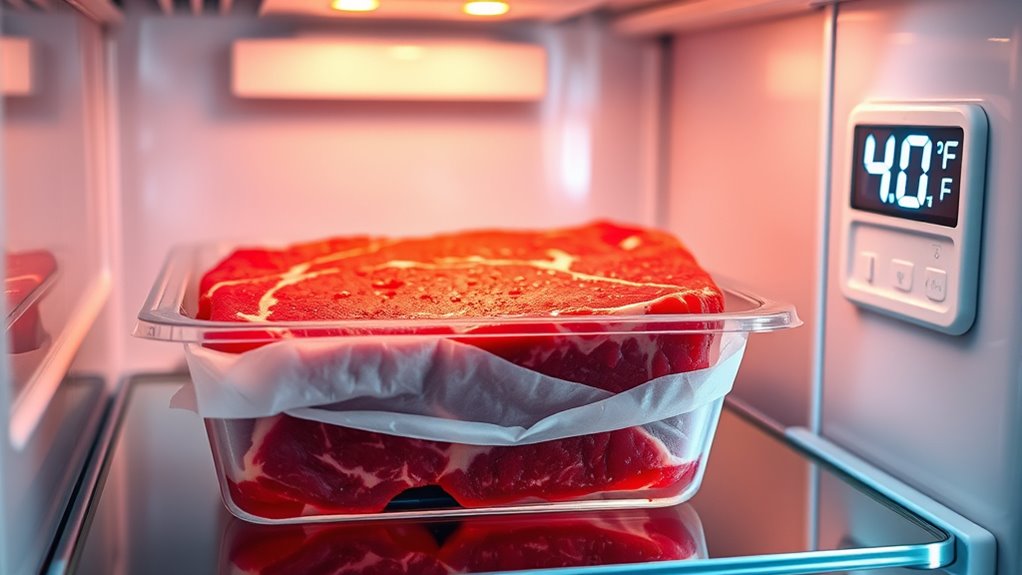
You should aim to use or freeze raw ground beef within 1 to 2 days of purchase when stored in the refrigerator at 40°F (4°C) or below.
Proper refrigerator storage is essential for maintaining food safety and extending the shelf life of your ground beef. After this period, the risk of bacterial growth increases, raising the chance of spoilage signs like a sour odor, slimy texture, or discoloration.
Check your ground beef regularly for these signs to prevent foodborne illness. If you don’t plan to cook it within 2 days, freezing is the best option to preserve quality and safety.
How Long Is Cooked Ground Beef Safe to Store in the Fridge?
Cooked ground beef stays safe in your fridge for 3 to 4 days if kept at 40°F or below. Make sure it’s stored in airtight containers and check for signs of spoilage, like bad odors or sliminess, before eating.
Proper reheating helps maintain safety and quality when you’re ready to enjoy leftovers.
Storage Duration Limits
How long can you safely keep cooked ground beef in the fridge? Generally, guidelines recommend storing cooked ground beef for up to 3 to 4 days.
Staying within this time helps prevent spoilage and reduces the risk of foodborne illness. Properly wrapping or sealing the beef in airtight containers keeps it fresh and maintains quality during this period.
It’s important to refrigerate cooked ground beef promptly, ideally within two hours of cooking. This slows bacterial growth and keeps the beef safe to eat.
After that, the risk of bacteria spreading increases, making the beef unsafe. Always check for signs of spoilage, but sticking to these storage limits is key for safe leftovers.
Signs of Spoilage
Even when stored properly, it’s important to stay alert for signs that cooked ground beef may have gone bad. Look out for:
- A sour or rancid odor indicating spoilage
- Discoloration such as gray or brown patches
- A slimy or sticky texture
- Visible mold growth or fuzzy spots
These signs suggest the beef is spoiled and should be discarded immediately. An off-odor or mold signals bacteria and fungi have taken hold, posing health risks.
Discoloration and sliminess are also key visual cues that the meat is no longer safe to eat. Always trust your senses—if anything seems off, it’s safest to throw the beef away.
Proper storage helps, but these signs are your best indicators to prevent foodborne illness.
Proper Reheating Techniques
To keep your cooked ground beef safe to eat, it’s important to reheat it properly and within the recommended time. Always reheat leftovers to an internal temperature of 165°F (74°C) to kill any bacteria that may have grown.
Avoid reheating more than once, as doing so increases the risk of foodborne illness. When reheating, transfer the leftovers to shallow containers for quick and even heating.
This helps the beef cool down rapidly and ensures it reaches the proper temperature throughout. Use a food thermometer to check the internal temperature before eating.
Proper reheating not only keeps your food safe but also helps maintain its quality. It prevents spoilage and potential health issues, so it’s worth taking the extra step.
What Are the Signs That Ground Beef Has Gone Bad?
Knowing the signs of spoiled ground beef is essential for safe consumption. Look out for discoloration—brown, gray, or green hues indicate spoilage.
Discoloration such as brown, gray, or green hues signals that ground beef has spoiled and should be discarded.
If you notice a sour, rancid, or sulfurous smell, it’s a clear sign the beef has gone bad. Feel the texture; a slimy or sticky surface suggests bacterial growth and spoilage.
Also, check the packaging. Swollen or ballooned packaging signals bacterial activity. Visible mold or unusual spots on the surface confirm it should be discarded.
Trust your senses. If any of these signs are present, avoid eating the beef. Properly inspecting ground beef helps prevent foodborne illness and ensures your safety.
When in doubt, it’s best to discard questionable meat.
Can I Freeze Raw and Cooked Ground Beef to Extend Its Shelf Life?
Freezing raw and cooked ground beef is a great way to extend their shelf lives and cut down on food waste. Proper freezer storage keeps raw beef safe for up to 3-4 months, helping it stay fresh and preventing spoilage.
Cooked ground beef should be frozen within 3-4 days after cooking. For the best flavor and texture, use it within that time frame. To keep it fresh longer and avoid freezer burn, wrap the beef tightly with vacuum-sealing or heavy-duty freezer bags.
What Are the Best Methods to Safely Thaw Ground Beef?
To safely thaw ground beef, you can use the refrigerator, cold water, or microwave methods. Each one has specific steps to prevent bacteria growth and ensure even thawing. Knowing the right technique keeps your beef fresh and safe to eat.
The refrigerator method is the safest. Just plan ahead and place the beef in a dish or tray to catch any drips. Keep it in the fridge for about 24 hours per pound until it’s fully thawed.
If you’re in a hurry, the cold water method works well. Seal the beef in a leak-proof bag, then submerge it in cold water, changing the water every 30 minutes. It usually takes an hour or less to thaw this way.
Using the microwave is quick, but you need to be careful. Use the defrost setting and cook the beef immediately afterward to prevent any parts from starting to cook. This method is best if you’re short on time.
Refrigerator Thawing Tips
Thawing ground beef safely in the refrigerator is the most reliable way to prevent bacterial growth. Keep the raw meat at or below 40°F, which is the safe temperature for thawing.
Plan ahead and allow about 24 hours per pound for complete thawing. Here are some essential thawing tips:
- Place the raw meat on a plate or in a shallow dish to catch drips
- Keep it on the bottom shelf to avoid cross-contamination
- Use a leak-proof bag to prevent leaks and contamination
- Check that the meat stays at a safe temperature during thawing
Following these tips helps keep your food safe, ensuring your ground beef thaws evenly and without risk. Proper refrigerator thawing is key to making healthy, delicious meals.
Cold Water Method
When you’re in a rush but still want to thaw ground beef safely, the cold water method is a quick and effective option.
Seal the ground beef in a leak-proof bag and submerge it in cold water, keeping the water below 70°F.
Change the water every 30 minutes to keep it cold and safe.
This method usually takes about an hour per pound of meat, making it faster than refrigerator thawing but still safe if done right.
Never thaw ground beef at room temperature, as this can encourage bacteria growth.
After thawing with this method, cook the ground beef immediately to prevent bacteria from multiplying.
This approach offers a good balance between speed and safety.
Microwave Thawing Precautions
Using the microwave to thaw ground beef can be quick and convenient, but you need to be careful to stay safe. Always choose the defrost setting and remember to rotate or flip the meat regularly for even thawing.
This helps prevent partial cooking and bacterial growth. To keep things safe, use a microwave-safe dish to catch any drips and cover the meat loosely to avoid cross-contamination.
Thaw ground beef immediately after microwave thawing to prevent bacteria from multiplying. Never thaw meat at room temperature, as it allows bacteria to grow rapidly.
How Do Storage Temperatures and Packaging Affect Ground Beef Freshness?
Proper storage temperatures and packaging methods are key to keeping ground beef fresh and safe to eat. Storing it at or below 40°F (4°C) in the fridge slows down bacterial growth and helps maintain its quality.
Using the right packaging, like vacuum sealing or tightly wrapping in plastic, keeps air out and prevents freezer burn. This extends how long you can store it without losing flavor or texture.
Airtight containers or heavy-duty freezer wrap are great options for preserving the beef’s freshness and taste. Packaging that exposes the meat to air or gets damaged can speed up spoilage and pose safety risks.
Keeping the fridge at the proper temperature and choosing good packaging are essential. They help your ground beef stay fresh longer and reduce the chances of foodborne illness.
Common Mistakes That Shorten Ground Beef’s Shelf Life
One of the most common mistakes that shortens ground beef’s shelf life is leaving it out at room temperature for over two hours, which allows bacteria to multiply quickly. Other mistakes include:
- Using improper wrapping, which causes freezer burn and speeds up spoilage.
- Storing ground beef in the fridge door, exposing it to temperature changes that make it spoil faster.
- Ignoring recommended storage times and using meat past its safe date, risking foodborne illness.
- Not washing hands, utensils, or surfaces after handling raw beef, leading to cross-contamination that shortens safe storage.
These mistakes hurt freshness, increase the risk of illness, and cut down the safe shelf life of your ground beef. Proper handling and storage are essential to keep it fresh and safe to eat.
Where Can I Find More Tips on Safe Meat Storage?
If you’re looking for more reliable tips on safe meat storage, several reputable sources can guide you. The FoodSafety.gov website offers thorough food safety resources, including detailed storage guidelines and handling tips for beef.
The USDA provides specific fact sheets on proper refrigeration and freezing practices aligned with their recommendations. You can also download the FoodKeeper app to track ideal storage durations and safety tips for various meats, including beef.
Local health department websites often publish additional advice and regulations tailored to your area. Reputable food safety organizations like the Canadian Food Inspection Agency (CFIA) also provide valuable information on storing beef safely in the fridge.
Consulting these sources ensures you follow best practices for food safety and prolong the quality of your meat.
Frequently Asked Questions
Is Raw Beef Okay in the Fridge for 4 Days?
No, keeping raw beef in the fridge for 4 days isn’t safe. Ideally, you should use or freeze it within 1 to 2 days to prevent spoilage and bacterial growth.
After 4 days, the beef might develop a sour smell, slimy texture, or discoloration—all signs of spoilage. To stay safe, discard the beef if it’s been in the fridge that long or cook it immediately if it’s still fresh.
What Not to Put in a Fridge Door?
Think of your fridge door as a lively marketplace, bustling with fluctuating temperatures.
You shouldn’t put raw meats, dairy, or eggs in the door because the temperature there varies and risks spoilage.
Instead, save condiments, drinks, and other non-perishables for the door.
Keep sensitive items like beef on the back or bottom shelf, where the temperature stays steady.
This helps ensure they stay fresh and safe longer.
Can I Eat Beef After 7 Days in the Fridge?
You shouldn’t eat beef after 7 days in the fridge. The risk of spoilage and foodborne illness goes up a lot after the 5-day mark.
Check for signs like a sour smell, slimy texture, or discoloration. If you notice any of these, it’s best to throw it away right away.
To stay safe, always keep beef at or below 40°F and eat it within the recommended time. When you’re unsure, it’s better to be safe than sorry.
What Is the 2 2 2 Food Rule?
The 2-2-2 food rule acts as your safety compass for handling perishable foods. It suggests you store beef in the fridge for no more than 2 days, cook it within 2 hours of buying, and then consume or freeze it within 2 months.
This simple guideline helps you steer clear of bacteria, keeping your food fresh and safe. It’s like having a well-tuned engine running smoothly, making sure everything stays in top shape.
Conclusion
Just like a clock ticking down, your beef’s freshness has a limited window. Think of your fridge as a vigilant guardian—keeping meat at the right temperature and following proper storage steps guarantees you enjoy safe, delicious meals.
Remember, when in doubt, trust your senses—if it smells off or looks strange, it’s time to toss it. Proper care keeps your kitchen safe, so you can savor every bite without worry.
Generally, raw beef should be stored in the fridge for 3 to 5 days. Keeping it longer can increase the risk of spoilage and foodborne illness.
To stay safe, always follow recommended storage times for beef in the fridge. This helps ensure your beef remains fresh and safe to eat, giving you peace of mind at mealtime.